
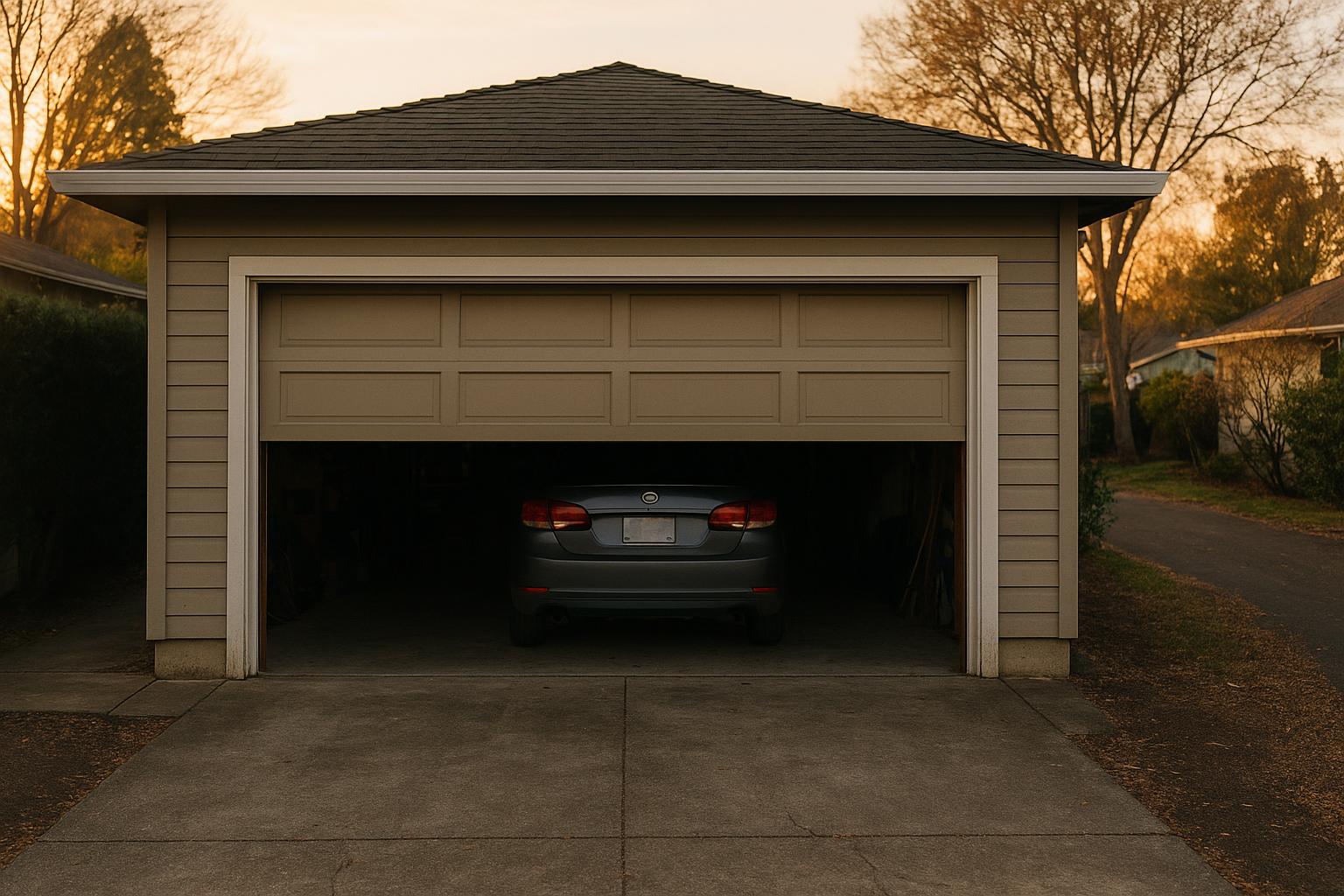
You're Running Late — and Your Garage Door Won't Budge
It's 7:30 a.m. on a Monday in Sonoma. You've got your coffee, your keys, and exactly twelve minutes to get to work. You press the button on your garage door opener and… nothing. Or maybe it groans, shudders, and gives up. Either way, you're not going anywhere.
A garage door that won't open in the morning is one of the most common calls we get at Sonoma Overhead Garage Door, and it's almost always fixable. But before you panic or start yanking on the door manually, it helps to understand what's going on. Here's a practical guide to diagnosing the problem and knowing when it's safe to troubleshoot on your own versus when you need a professional.
Check the Obvious Things First
Before you assume the worst, rule out the simple stuff. You'd be surprised how often the fix is something basic:
- Dead remote batteries: If your wall-mounted button works but your remote doesn't, swap in fresh batteries. This is the number-one "false alarm" we see.
- Power outage or tripped breaker: Check whether the opener's light is on. If not, look at your electrical panel. A tripped breaker or blown fuse can kill power to the opener without affecting the rest of your house.
- Locked mode engaged: Many garage door openers have a lock feature that disables the remote. If someone accidentally pressed the lock button on the wall panel, the remote won't work. Look for a small light or indicator on your wall control.
- Disconnected emergency release: If the red emergency cord has been pulled — maybe during a previous power outage — the opener is disengaged from the door. You'll need to reconnect it before the motor can lift the door again.
Temperature-Related Issues
Sonoma County mornings can get surprisingly cold, especially during fall and winter. Temperature swings cause real problems for garage doors, and they tend to show up first thing in the morning when everything is at its coldest.
Metal Contraction
Garage door tracks, springs, and hardware are all metal. When temperatures drop overnight, metal contracts slightly. This can cause the door to bind in the tracks or make springs feel stiffer than usual. In most cases, the door will loosen up as the day warms, but if it's happening regularly, it may be a sign that your tracks need adjustment or lubrication.
Thickened Lubricant
The grease and lubricant on your springs, rollers, and hinges can thicken in cold weather, creating extra resistance. A silicone-based garage door lubricant applied to the springs, rollers, and hinges can make a noticeable difference. Avoid using WD-40 as a long-term solution — it's a solvent, not a true lubricant, and it dries out quickly.
Weatherstripping Sticking
The rubber weatherstripping along the bottom of your garage door can freeze to the concrete floor on cold, damp mornings. If the door seems stuck at the bottom but everything else looks fine, this might be the culprit. Gently breaking the seal by hand and applying a thin layer of silicone spray to the weatherstrip can prevent it from happening again.
Opener Motor Problems
If you hear the motor running but the door isn't moving, the problem is likely mechanical rather than electrical. Here are the most common motor-related issues:
- Stripped gears: Over time, the nylon gears inside many belt- and chain-drive openers wear down. You'll hear the motor humming or grinding, but the door stays put. This requires a gear replacement — a repair that's straightforward for a technician but not a great DIY project.
- Overheated motor: If the opener was used heavily the day before or has been struggling with a heavy door, the motor's thermal overload protection may have tripped. Wait 15 to 30 minutes and try again. If it keeps overheating, the motor may be undersized for your door or nearing the end of its life.
- Capacitor failure: The start capacitor gives the motor the initial jolt it needs to begin lifting. When it fails, the motor may hum but won't engage. This is a common repair on older openers.
Safety Sensor Alignment
Modern garage door openers are equipped with photoelectric safety sensors mounted near the floor on both sides of the door. These sensors are designed to prevent the door from closing on a person, pet, or object — but they can also prevent the door from operating correctly when they're misaligned or malfunctioning.
If one sensor's light is blinking or off entirely, the system may refuse to operate. Check for:
- Sensors knocked out of alignment (a bump from a bike or trash can is all it takes)
- Dirty lenses blocking the infrared beam
- Loose or damaged wiring
- Direct morning sunlight hitting the sensor, which can interfere with the beam
Gently realigning the sensors so both indicator lights are solid is often enough to solve the problem. If the wiring is damaged, it's best to have a professional handle the repair.
When It's a Spring Problem
If you've ruled out the opener and electrical issues, the problem may be with your garage door springs. Springs bear the vast majority of the door's weight — a standard two-car garage door can weigh 200 to 300 pounds. When a spring breaks, the opener motor simply can't lift that load on its own.
Signs that a spring has failed include:
- A loud bang from the garage (often heard the night before or early morning)
- A visible gap in the torsion spring above the door
- The door feels extremely heavy when you try to lift it manually
- The opener strains, lifts the door a few inches, and stops
Important: Do not attempt to replace garage door springs yourself. They are under extreme tension and can cause serious injury. This is one repair that should always be handled by a trained technician.
Preventive Steps to Avoid Morning Surprises
Most garage door failures don't happen out of nowhere. They build up over weeks or months of small warning signs. Here are a few things you can do to reduce the chances of getting stuck:
- Schedule annual maintenance: A professional tune-up once a year keeps springs, rollers, cables, and the opener in good working order. We recommend scheduling it in early fall before cold weather sets in.
- Lubricate moving parts seasonally: A quick application of garage door lubricant on springs, hinges, and rollers takes five minutes and prevents a lot of cold-weather problems.
- Test the balance: Disconnect the opener and lift the door manually to about waist height. If it stays in place, the springs are balanced. If it drops or rises, the springs need adjustment.
- Keep the tracks clean: Wipe down the inside of the tracks periodically to remove dirt and debris that can cause binding.
- Replace remote batteries annually: Don't wait for them to die at the worst possible moment.
When to Call a Professional
If you've checked the batteries, the power, the sensors, and the emergency release and your garage door still won't open, it's time to call in help. Continuing to press the button repeatedly can burn out the motor or cause further damage to an already compromised system.
At Sonoma Overhead Garage Door, we serve homeowners throughout Sonoma, Santa Rosa, Petaluma, Napa, Rohnert Park, and Cotati. We understand that a garage door that won't open isn't just an inconvenience — it can derail your entire day. That's why we prioritize fast response times and carry common replacement parts on our trucks so most repairs can be completed in a single visit.
If your morning routine has been interrupted by a stubborn garage door, give us a call. We'll get you back on track — and back on the road — as quickly as possible.